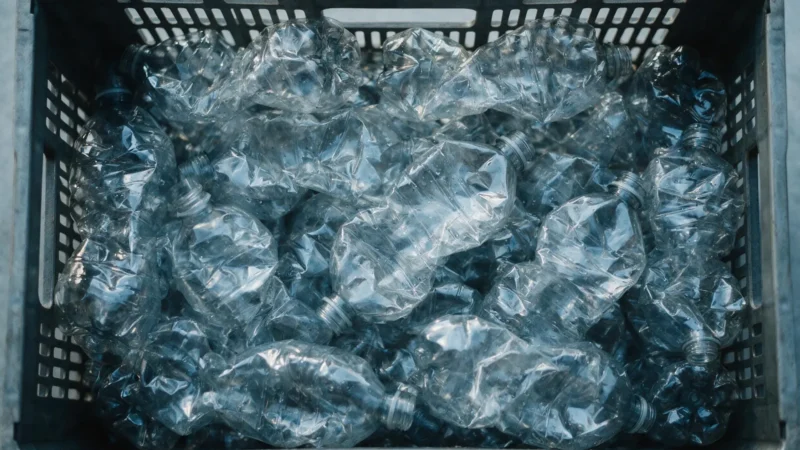
Where food-grade rPET comes from, and why the source sets the price
Two offers of food-grade rPET at the same price can carry very different risk. The difference is rarely the process and almost always the stream feeding it.
// archive
Pillar guides: definitions, processes, food-grade certifications, ISCC PLUS, EPR.
Two offers of food-grade rPET at the same price can carry very different risk. The difference is rarely the process and almost always the stream feeding it.
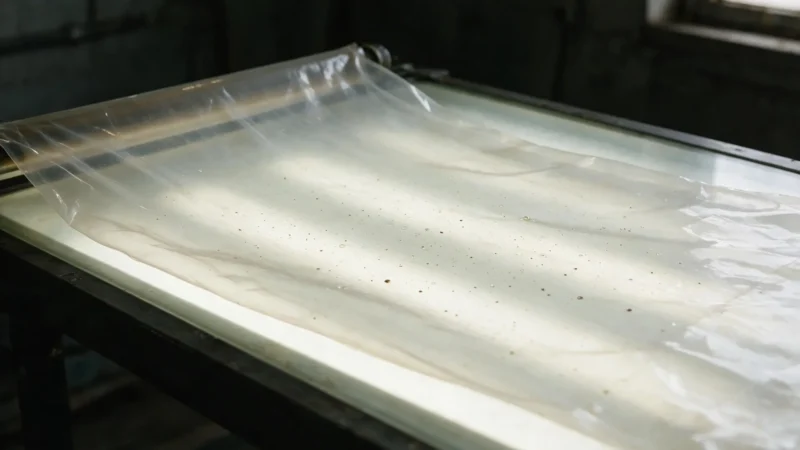
Three complaints account for most rejected recyclate deliveries. Each is usually blamed on the supplier and is more often a gap in the specification.
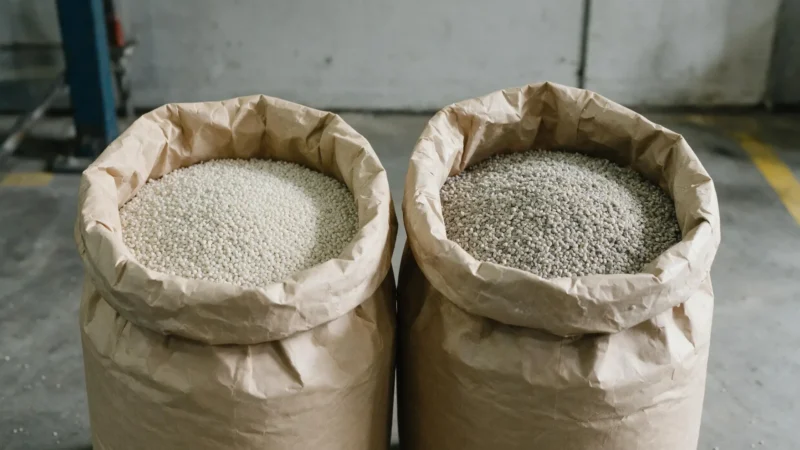
A certificate can be genuine and the material genuinely reprocessed, and the offer still useless for a compliance file. Origin is the question that comes first.
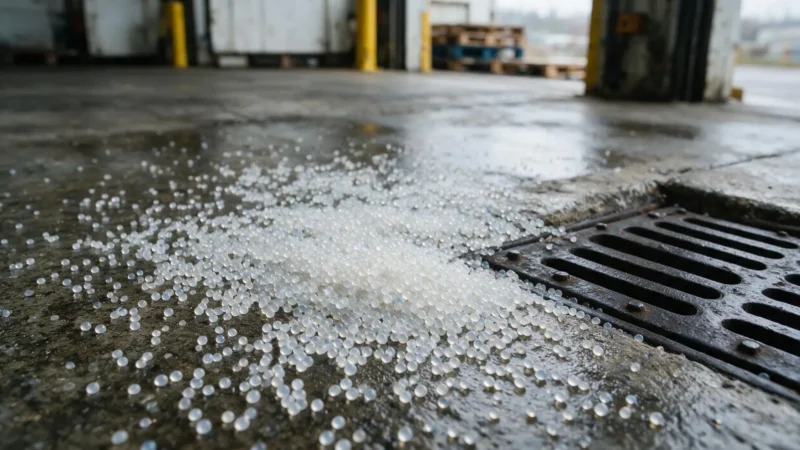
Who needs a certificate, what the 1,500 tonne threshold means, and why the harmonised loss-estimation standards due in December matter more than they look.
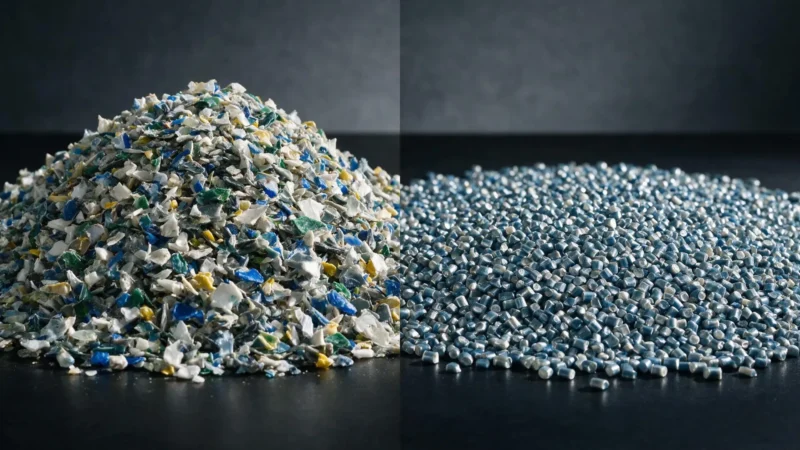
When does recyclate stop being waste? The draft EU criteria cover mechanical and physical recycling but not chemical. What changes commercially, and what does not.
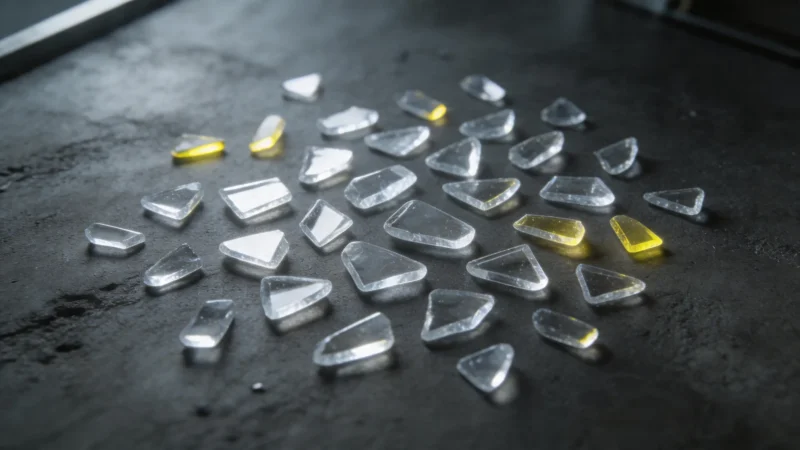
Post-consumer recyclate (PCR) is polymer recovered from packaging used by consumers — distinct from post-industrial recyclate. A guide to types, processes and applications.
Which certifications must a food-grade rPET supplier hold in 2026? Full overview of EFSA, FDA, ASTM, ISO 22000, BRCGS and a practical verification process.
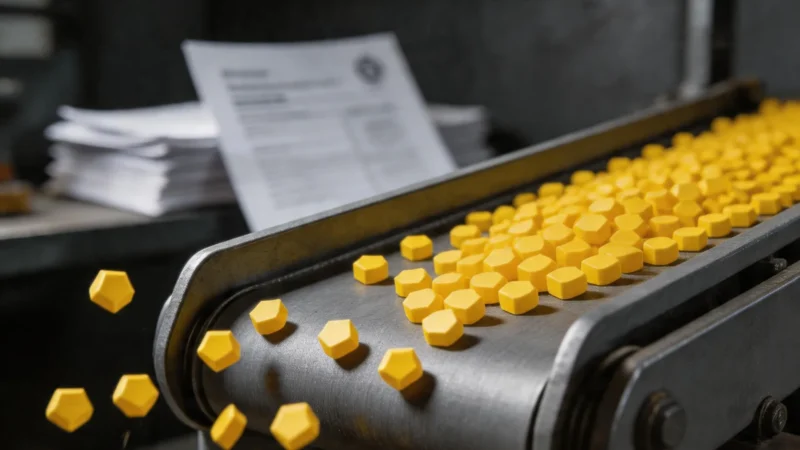
ISCC PLUS is the global traceability standard for recyclates and bio-based materials. We explain how mass balance works, who benefits and what v4.2 changes in 2026.